AR 15 80 Lower Receivers
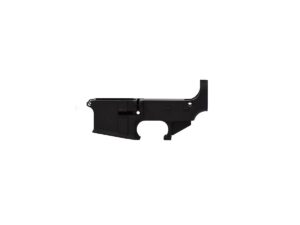
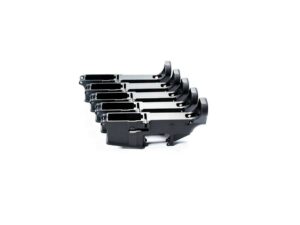
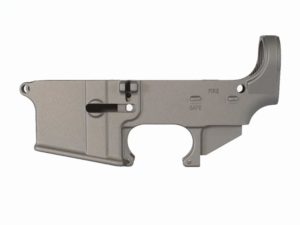
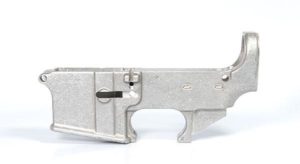
Delve into the world of AR-15 builds with our premier 80% Lower Receivers. A pivotal component in rifle kits and pistol kits, these receivers form the base for your AR-15 firearm’s creation. Pair them with a Complete Upper or an upper receiver for a smooth assembly experience. Enhance your build further with a dedicated lower parts kit, ensuring all components fit flawlessly. With our 80 AR-15 Lower receivers, you can be assured that your gun kit or gun kits will showcase unmatched precision. Top off your assembly with a robust handguard, providing both protection and aesthetic appeal. With these foundational pieces, you’re set to craft a firearm that embodies your vision and meets the high standards of the AR-15 platform.
-
 Select optionsQuick View
 -
 Select optionsQuick View
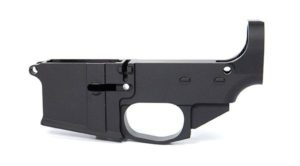
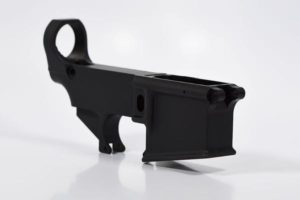
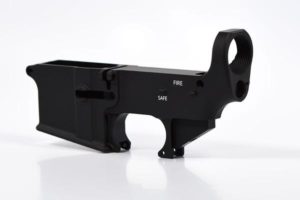
80% AR-15 Lower Receiver With Integral Trigger Guard Black
$74.95Out of stock
Select optionsQuick View -
 Select optionsQuick View
 -
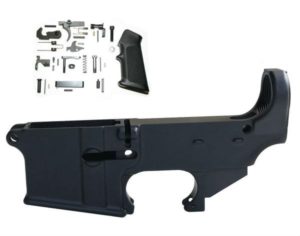 Select optionsQuick View
 -
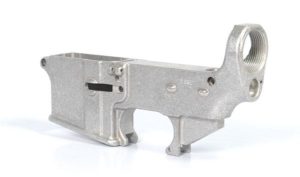 Select optionsQuick View
 -
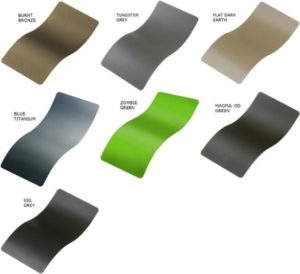 Select optionsQuick View
 -
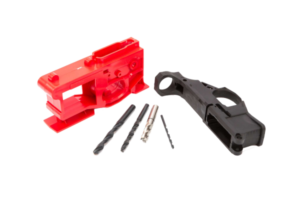 Select optionsQuick View
 -
 Select optionsQuick View
 -
 Select optionsQuick View
 -
 Select optionsQuick View
 -
 Select optionsQuick View
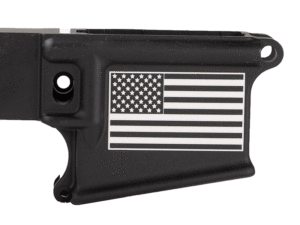
Laser Engraved American Flag 80% AR-15 Anodized Lower receiver
$64.95In stock
Select optionsQuick View -
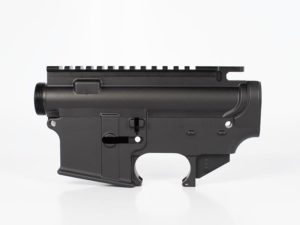 Select optionsQuick View
 -
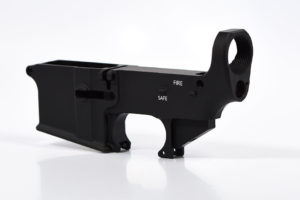 Select optionsQuick View
 -
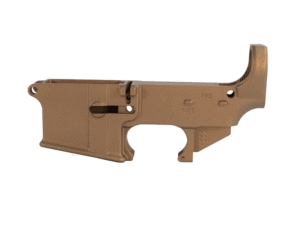 Select optionsQuick View
 -
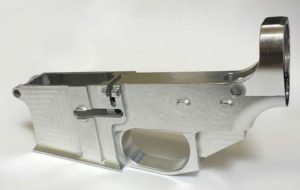 Select optionsQuick View
 -
 Select optionsQuick View
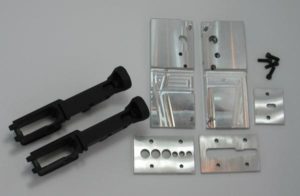
AR15 80 Lower Receiver 2 Pack Black Anodized and Jig kit Combo Pack
$149.95DISCONTINUED
Select optionsQuick View -
 Select optionsQuick View
 -
 Select optionsQuick View
 -
 Select optionsQuick View
 -
 Select optionsQuick View
 -
 Select optionsQuick View
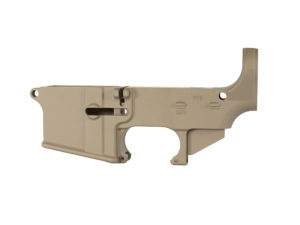
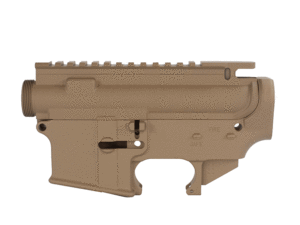
AR15 80% Lower and Complete Stripped Upper Cerakote Flat Dark Earth FDE Set
$114.95In stock
Select optionsQuick View -
Select optionsQuick View
-
 Select optionsQuick View
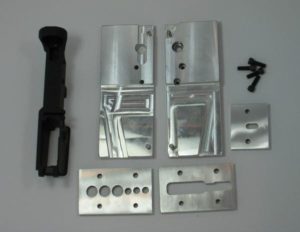
AR15 80% Lower Receiver Black Anodized and Jig kit Combination Pack
$134.95DISCONTINUED
Select optionsQuick View -
 Select optionsQuick View
