AR Barrels
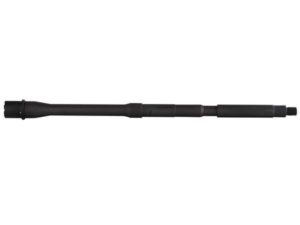
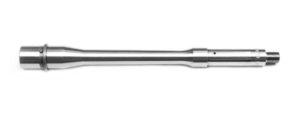
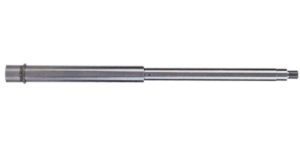
Barrels are a critical component of firearms, serving as the conduit through which projectiles are propelled. These cylindrical metal tubes play a crucial role in determining the accuracy, range, and overall performance of a firearm.
-
 Add to cartQuick View
 -
 Add to cartQuick View
 -
 Read moreQuick View
 -
 Add to cartQuick View
 -
 Add to cartQuick View
 -
 Add to cartQuick View
 -
 Add to cartQuick View
 -
 Add to cartQuick View
 -
 Add to cartQuick View
 -
 Read moreQuick View
 -
 Add to cartQuick View
 -
 Read moreQuick View
 -
 Read moreQuick View
 -
 Read moreQuick View
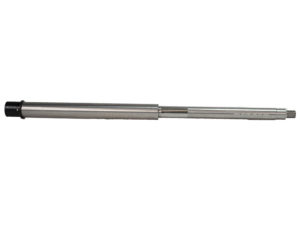
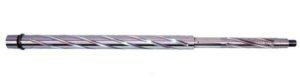
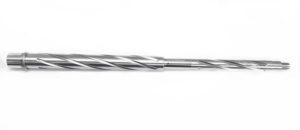
20″ .223 WYLDE Stainless Steel Spiral Fluted Barrel 1×8 Twist
$64.95Out of stock
Read moreQuick View -
 Add to cartQuick View
 -
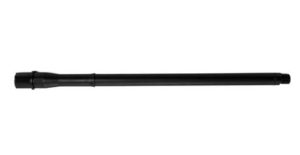 Add to cartQuick View
 -
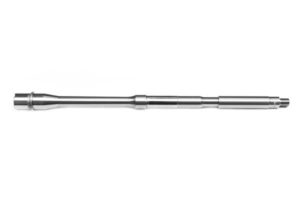 Read moreQuick View
 -
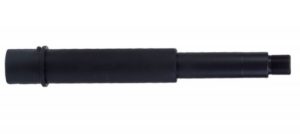 Add to cartQuick View
 -
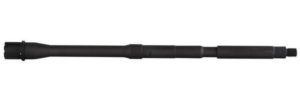 Add to cartQuick View
 -
 Add to cartQuick View
 -
 Add to cartQuick View
 -
 Read moreQuick View
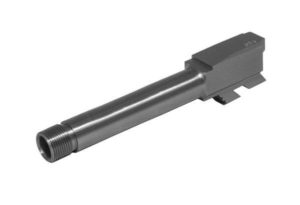
Glock 17 Compatible Replacement Stainless Steel Threaded Barrel
$104.95Out of stock
Read moreQuick View -
 Read moreQuick View
 -
 Read moreQuick View
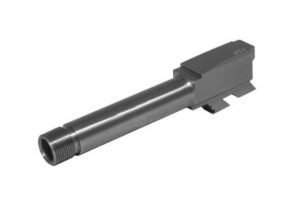
Glock 43 Compatible Stainless Steel Barrel Replacement Threadeds
$104.95Out of stock
Read moreQuick View
