
Direct to Door: Navigating AR-15 Kit Shipping
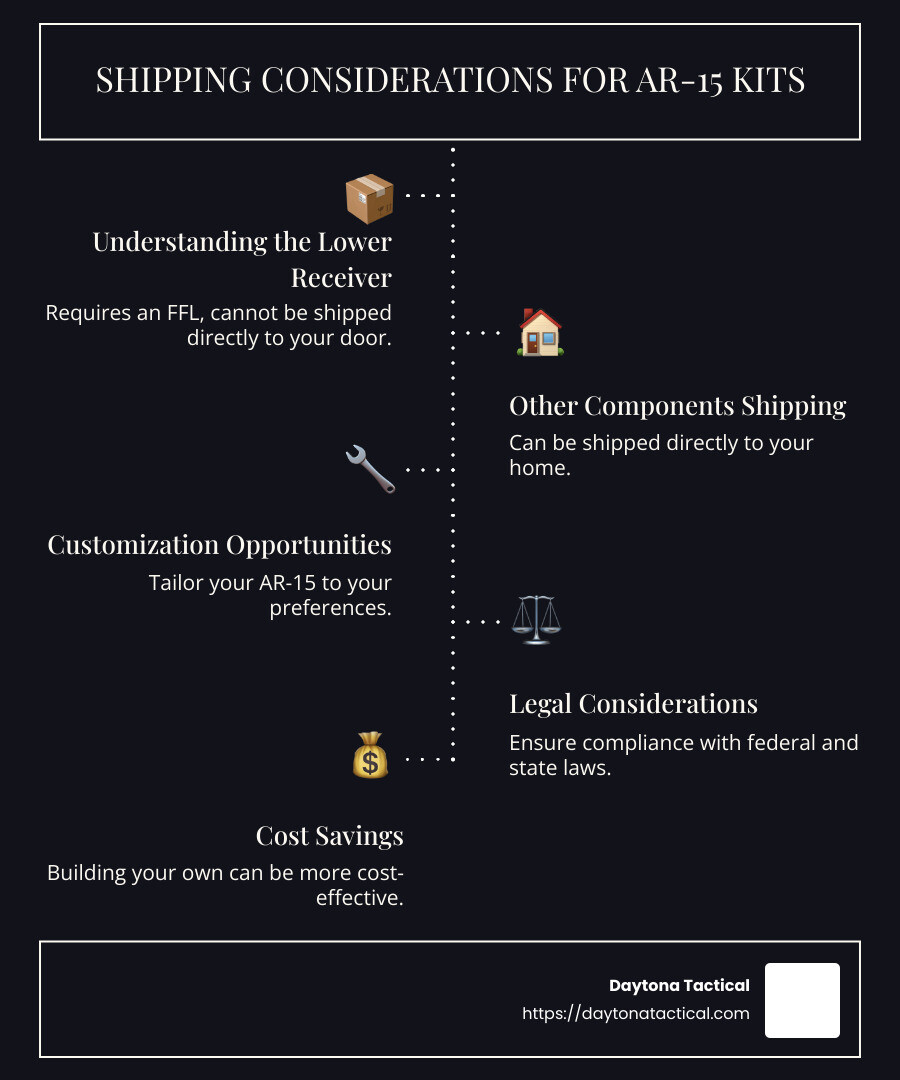
When you’re exploring the exciting world of AR-15 assembly, a common question arises: do ar 15 building kit ship directly to me? Yes, they can, but there are key factors to consider:
- Lower receiver: This part requires a Federal Firearms License (FFL) and does not ship directly to your door.
- Remaining components: Other parts of the kit typically ship right to your home.
Building an AR-15 from a kit offers a unique opportunity for customization and personalization. Not only does this allow for a deep dive into the mechanics of your rifle, but it also promises significant cost savings. With the flexibility to choose components that match your shooting preferences, whether for hunting or home defense, kit building empowers you to tailor your firearm to perfection.
Moreover, constructing your own AR-15 improves your understanding of its functionality, leading to greater reliability and confidence in its use. Embracing this hands-on approach not only aligns with the current trends in firearm customization but also maximizes satisfaction and efficiency for firearm enthusiasts.
Terms related to do ar 15 building kit ship directly to me:
– ar-15 building kit
– ar building kit
Understanding AR-15 Kit Shipping
Navigating AR-15 kit shipping can seem daunting, but with a bit of understanding, it becomes much simpler. Let’s break down the essentials.
Shipping Regulations
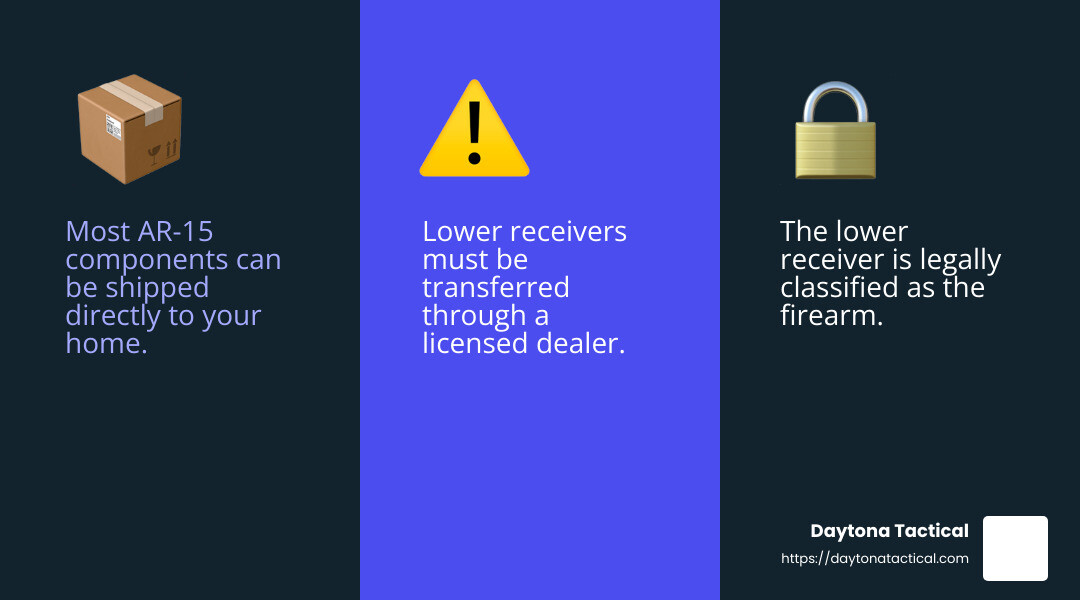
When you order an AR-15 kit, most of the components can ship directly to your home. However, there is one crucial exception: the lower receiver. This part is considered the “firearm” by law, which means it cannot be shipped directly to you without going through the proper channels.
Lower Receiver: The Key Component
The lower receiver is the heart of your AR-15 build. It houses the fire control group and is legally classified as a firearm. Because of this, purchasing a stripped lower receiver requires a Federal Firearms License (FFL) transfer. You’ll need to pick it up from a licensed dealer after completing a background check.
In contrast, the rest of the AR-15 kit, which includes parts like the upper receiver and fire control group, can be shipped directly to your door. This process simplifies the acquisition of most components, allowing enthusiasts to begin their build without delay.
Firearm Classification
Understanding firearm classification is critical. The lower receiver is the only part classified as a firearm under federal law. This classification dictates the need for an FFL transfer for this component. However, if you opt for an 80% lower receiver, which is not yet considered a firearm, you can bypass the FFL requirement in most states. Some states have specific laws regarding 80% lowers, so always check local regulations.
In summary, while most parts of an AR-15 kit can be shipped directly to you, the lower receiver requires special handling due to its classification as a firearm. This ensures compliance with federal laws while allowing you the flexibility to start building your AR-15 with ease.
Next, we’ll dive into the key components of an AR-15 kit, exploring the roles of the upper receiver, fire control group, and more.
Do AR-15 Building Kits Ship Directly to Me?
When it comes to do AR-15 building kits ship directly to me, the answer is mostly yes, but with some important caveats. Understanding the components and the legalities is key to a smooth process.
Kit Components and Shipping Process
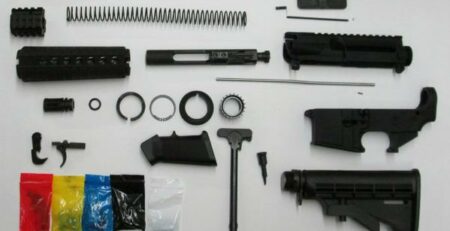
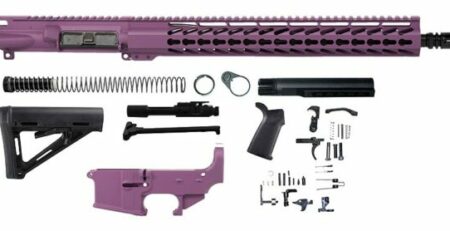
An AR-15 building kit typically includes everything you need to assemble your firearm, except for one critical piece: the lower receiver. This part is the only component classified as a firearm and requires special handling.
- Upper Receiver: This includes the barrel, bolt carrier group, and handguard. It can be shipped directly to your home without any restrictions.
- Fire Control Group: These parts, like the trigger and hammer, are also free to ship directly to you.
Most parts of the AR-15 kit, such as the upper receiver and fire control group, can be shipped directly to your door. This convenience allows enthusiasts to receive their components quickly and start building right away.
Legal Considerations
The lower receiver is the exception due to its classification as a firearm. As a result, it requires a Federal Firearms License (FFL) transfer. This means you must pick it up from a licensed dealer after passing a background check.
However, there is an alternative: the 80% lower receiver. This is an unfinished piece that is not yet classified as a firearm. In many states, you can have it shipped directly to you without an FFL. But, be sure to check your local laws, as some states have specific regulations regarding 80% lowers.

In summary, while most parts of an AR-15 kit ship directly to your home, the lower receiver’s legal status requires additional steps. Always ensure compliance with federal and state laws to enjoy a hassle-free building experience.
Next, we’ll explore the key components of an AR-15 kit, focusing on the upper receiver, fire control group, and the importance of chrome-lined parts.
Key Components of an AR-15 Kit
When diving into AR-15 kits, understanding the key components is crucial. These parts not only form the backbone of your firearm but also influence its performance and reliability.
Upper Receiver
The upper receiver is a critical component of your AR-15. It houses the barrel, bolt carrier group, and handguard. This part is essential for the firing process and can be shipped directly to your home without any legal problems. The upper receiver is often the first piece enthusiasts look at when customizing their AR-15 because it can greatly affect the rifle’s accuracy and handling.
Fire Control Group
The fire control group includes the trigger, hammer, and other small parts that make your rifle shoot. These components are crucial for the functionality of your AR-15. Fortunately, they can be shipped directly to you, allowing for easy upgrades or replacements. An upgraded fire control group can improve your shooting experience by providing a smoother, more consistent trigger pull.
Chrome-Lined Parts
Chrome-lined parts are a popular choice for many AR-15 builders. These parts, often found in barrels and bolt carrier groups, offer increased durability and corrosion resistance. Chrome lining helps extend the life of your firearm, especially if you plan to use it frequently or in harsh conditions. While chrome-lined components can be more expensive, the investment pays off in longevity and reliability.
Understanding these components will help you make informed decisions when building your AR-15. Each part plays a vital role in the overall performance of your firearm, so choose wisely based on your needs and preferences.
Next, we’ll walk you through the step-by-step guide to building your AR-15, highlighting the assembly process, tools needed, and troubleshooting tips.
Building Your AR-15: Step-by-Step Guide
Building your AR-15 can be a rewarding experience. It allows you to customize your rifle to your exact specifications and gain a deeper understanding of how it works. Let’s break down the assembly process, the tools you’ll need, and some handy troubleshooting tips.
Assembly Process
- Start with the Lower Receiver: Begin by attaching the trigger, pistol grip, and stock to the lower receiver. The lower receiver is the serialized part of your AR-15, so it requires a background check for purchase.
- Move to the Upper Receiver: Install the upper receiver, which includes fitting the barrel, bolt carrier group, and charging handle. Make sure everything is aligned properly.
- Attach the Barrel and Handguard: Carefully secure the barrel and handguard. Avoid over-tightening, which can damage threads and affect performance.
- Connect the Gas System: Attach the gas tube and gas block. This step is crucial for ensuring your rifle cycles correctly.
- Add Accessories: Finally, install any additional accessories like a foregrip or sights to improve control and accuracy.
Tools Needed
- Wrenches and Pliers: For tightening and securing components.
- Screwdrivers: Essential for attaching various parts.
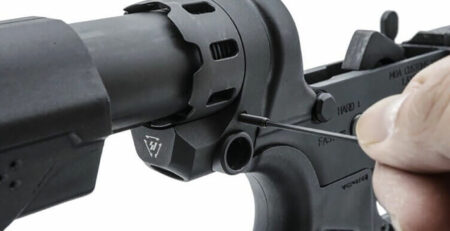
- Punch Set: Useful for installing pins in the lower receiver.
- Torque Wrench: Ensures that you don’t over-tighten barrel nuts or other critical parts.
Troubleshooting Tips
- Check Alignment: If parts aren’t fitting together smoothly, double-check their alignment and make sure everything is seated properly.
- Avoid Over-tightening: This can lead to damaged threads or compromised parts. Use a torque wrench for precise tightening.
- Lubricate Moving Parts: Proper lubrication is key for smooth operation and longevity. Make sure all moving parts are adequately oiled.
- Function Check: Once assembled, perform a function check to ensure everything operates smoothly. This involves checking the trigger reset and bolt cycling.
Building your AR-15 can seem daunting, but by following these steps and using the right tools, you can create a reliable and customized firearm. Next, we’ll address some frequently asked questions about AR-15 kit shipping.
Frequently Asked Questions about AR-15 Kit Shipping
Can I have an AR shipped to my house?
Yes, but with some important considerations. When you order an AR-15 building kit, most parts can be shipped directly to your house, including the upper receiver, handguards, and other components. However, the lower receiver is a different story. It’s classified as the firearm part, even when stripped, and must be shipped to a Federal Firearms License (FFL) holder. This means you’ll need to pick it up at a licensed dealer, where a background check is required.
For other parts, private carriers like UPS and FedEx usually handle the shipping. The United States Postal Service (USPS) has specific regulations, so private carriers are often preferred for firearm-related parts.
What part of an AR-15 needs to be registered?
The lower receiver is the key component that needs to be registered because it is considered the firearm itself. This part has a serial number and is subject to federal regulations. When you buy a stripped lower receiver, you must go through an FFL, complete the necessary paperwork, and pass a background check.
In contrast, other parts like the upper receiver, barrel, and handguards do not require registration and can be purchased and shipped directly to you without restrictions.
Can you have AR parts shipped to Illinois?
Yes, you can have most AR parts shipped to Illinois, but there are some legal considerations. Illinois has specific regulations regarding firearms and components, especially in certain areas like Chicago. Although most AR parts can be shipped without issue, the lower receiver must still go through an FFL.
It’s crucial to check local laws, as some areas might have additional restrictions. Always ensure compliance with state and local regulations to avoid legal issues. If in doubt, consult with a local firearms attorney or your FFL dealer for guidance.
Understanding these aspects of AR-15 kit shipping will help you steer the process smoothly and legally. In the next section, we’ll explore the key components of an AR-15 kit.
Conclusion
Building your own AR-15 can be a rewarding experience, both in terms of customization and cost savings. At Daytona Tactical, we understand the importance of having a firearm that meets your specific needs. That’s why we offer a wide range of AR-15 parts and kits, all designed to be user-friendly and ready to ship.
Customization Benefits
One of the biggest advantages of building your AR-15 is the ability to tailor it exactly to your preferences. Whether it’s choosing the right barrel length or selecting the perfect handguard, you have the freedom to create a firearm that fits your style and shooting needs. This level of customization not only improves performance but also ensures that your AR-15 is uniquely yours.
Legal Compliance
Navigating the legal landscape of firearm ownership can be complex, but it’s crucial for a smooth building experience. The lower receiver, classified as the firearm, must be shipped to a Federal Firearms License (FFL) holder. This ensures that all necessary background checks and paperwork are completed, keeping the process within legal bounds.
For other parts, such as the upper receiver and handguards, shipping is straightforward and can be delivered directly to your home. However, always stay informed about local laws, as some areas may have additional restrictions.
At Daytona Tactical, we are committed to helping you build your dream AR-15 while ensuring compliance with all legal requirements. Our extensive selection of in-stock, ready-to-ship parts makes the process easier and more enjoyable.
Ready to start building your AR-15? Visit our AR Build Kit page to explore our selection and get started on your project today.